
Giving back is an important part of life, whether that's through volunteering, charitable giving, or supporting a cause that aligns with your values.
But for those wanting to make a more strategic and long-term contribution, structured giving provides a powerful way to create meaningful change.
What is Structured Giving?
Structured philanthropy is philanthropy with a plan. It involves establishing a formal structure or vehicle for giving, such as a private or public ancillary fund, a sub-fund, a foundation, or a charitable trust.
These structures allow individuals, families, and businesses (including those looking to make tax-deductible donations directly through a business entity) to donate larger sums in a managed, tax-effective way that can continue to make an impact for years to come.
A public ancillary fund can include sub-funds which act as a giving fund, such as a dedicated account for charitable contributions that offers flexibility and tax benefits. Individuals can even establish their own foundation within a public ancillary fund by setting up a named sub-fund, gaining the benefits of simplified administration, long-term legacy, and strategic giving.
Unlike one-off donations or crowdfunding contributions, structured giving is designed to be ongoing and purposeful. It can help donors support causes they care about in a way that’s both strategic and sustainable.
Claiming a Tax Deduction for the Donation
Donations to Deductible Gift Recipients (DGRs) in Australia can be claimed as a tax deduction, with the option for an immediate tax deduction, meaning donors can claim the deduction in the financial year the donation is made. Spreading the donation over up to 5 years allows you to align the deduction with income in future years, giving you the flexibility to spread your deductions and optimise your tax position.
Making charitable donations provides significant tax benefits, such as reducing your taxable income and lowering your overall tax liability.
To ensure your donation is deductible for the current financial year, it must be made before 30 June; donations made after this date will count toward the next financial year's tax period. Only deductible donations to eligible organisations qualify for tax deductions.
Note: Tax deductible donations must meet the requirements for tax deductibility under Australian law, including donating to a registered DGR, keeping appropriate records, and following the timing rules for claiming deductions.
Approaches to Structured Giving
There’s no one-size-fits-all approach. Some people prefer the flexibility of corporate donations or planned family giving, while others establish dedicated philanthropic vehicles. Charitable giving is the overarching goal, and developing a giving strategy can help maximize both impact and tax benefits.
Common options include:
Private ancillary funds (PAFs)
A PAF is a private charitable trust or 'giving fund' that allows donors to make tax-deductible contributions (with a minimum initial donation, often $500,000 or $40,000 depending on the structure) and retain control over how funds are invested and distributed. Professional investment management within PAFs can provide tax free investment returns, allowing the fund's capital and balance to grow over time.
Interest earned within the fund is tax-exempt and can be reinvested, increasing the money available for future giving. PAFs are responsible for distributing grants to eligible charities or organisations that meet criteria set by the ACNC and ATO, ensuring compliance and philanthropic impact.
Donors can support their preferred charities and spread their tax deductions over multiple years to optimize their tax position. When donating non-cash assets, such as shares or property, it is important to consider capital gains tax implications.
Public ancillary funds (PuAFs)
PuAFs are similar to PAFs but open to public contributions. Think of them as a professionally managed giving fund that often hosts sub-funds and allows donors to create a named giving account without the administrative burden.
Investment management in PuAFs also enables tax free investment returns, and the balance of each sub-fund can grow, supporting ongoing charitable giving. Interest, dividends, and other income generated are tax-exempt and reinvested, increasing the fund's capacity for distributing grants to eligible charities.
Minimum donation amounts may apply for establishing sub-funds, and donors can direct grants to their preferred charities.
Sub-funds and giving circles
A sub-fund is a donor-advised account within a PuAF. It allows donors to name their fund, recommend grants to eligible charities, and build a giving legacy over time. The capital in the sub-fund is managed for growth, and the balance can be used to support ongoing charitable giving. Interest and investment returns are tax-free, and donors can spread their tax deductions and support multiple preferred charities through strategic giving.
Testamentary trusts: A testamentary trust is created through a will and activated upon death. It can be used to direct assets, including capital, to charitable causes or support beneficiaries in a structured way.
Organisations such as foundations and community groups can manage these funds, ensuring grants are distributed to eligible charities. Consideration of capital gains tax is important when donating non-cash assets through testamentary trusts.
Each structure comes with its own governance, tax, and operational considerations, and choosing the right one depends on your goals, values, and capacity for involvement.
Why Structured Giving Matters
Philanthropy plays a unique role in addressing today’s challenges. It provides critical support where government or commercial funding may not reach, helping to kick-start new initiatives, fund innovation, and amplify diverse voices working for positive change.
Structured giving enhances this by:
- Encouraging long-term and intergenerational giving, helping donors and their families create a lasting legacy aligned with their values
- Creating a dedicated pool of funds that can grow and be distributed strategically, allowing for a strategic approach to maximise the impact and tax benefits of giving
- Supporting projects that require patience, innovation, or higher risk appetite, including vital areas such as medical research that drives societal advance
- Strengthening community and institutional connections through shared purpose, and enabling structured philanthropy to address complex social challenges through vehicles like private ancillary funds and family foundations
In short, structured giving is a rewarding way to support the community while gaining valuable tax advantages.
Growing a Culture of Giving
Philanthropy Australia, the leading organisation promoting structured giving in Australia, has developed the Blueprint to Grow Structured Giving by 2030, which outlines a national vision to strengthen this sector and inspire more Australians to give in planned, enduring ways. The idea is simple: when structured giving grows, the ripple effects benefit the entire community, from local grassroots programs to nationwide initiatives.
How Cutcher & Neale can Help
At Cutcher & Neale, we understand that philanthropy is both a financial and a deeply personal decision. We assist our clients in managing their charitable giving and tax strategies to ensure their philanthropic goals are met efficiently. Whether you’re looking to set up a private ancillary fund, explore tax-effective giving strategies, or create a lasting family legacy, our team can guide you every step of the way.
We’ll work with you to build a structured giving plan that aligns with your values, supports the causes you care about, and provides comfort and clarity in how your generosity can make a lasting difference. Structured giving can also be integrated into your retirement planning, allowing you to maximise tax benefits and continue supporting charities as part of your long-term financial strategy.
Speak to a Trusted Advisor Today
To explore your options for structured giving, get in touch with your Cutcher & Neale advisor.

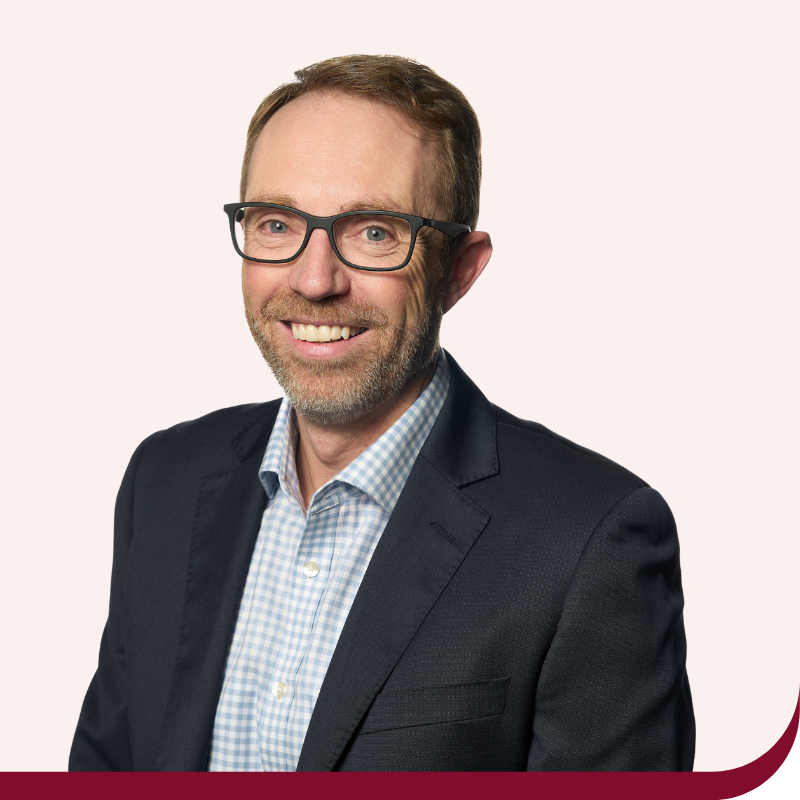
Jace Pedonese is a Partner in our Accounting & Tax Division, helping clients navigate complex tax and business advisory matters with clarity and confidence. Supportive, trusted, and reliable, he works closely with clients to set financial goals, optimise strategies, and maximise business potential, ensuring informed and timely decision-making.
.png?width=352&name=Untitled%20design%20(43).png)
.jpg?width=352&name=iStock-1369899360%20(1).jpg)